
Sun loungers and daybeds serve reclined, longer-stay use and usually occupy more floor area than an upright chair. The right direction depends on posture, spacing, access, wet-item handling, cleaning, movement and storage. GEORGE Group can review these categories for pool, resort, terrace and relaxation zones after the site conditions and quantity are defined.
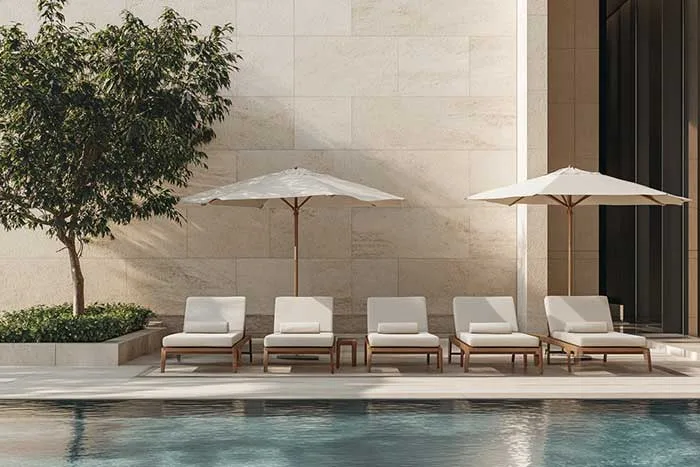
Discuss loungers and daybeds for your project
Choose by posture and use pattern
| Direction | Suitable project question | Details to confirm |
|---|---|---|
| Adjustable lounger | Should one position support upright reading and reclined rest? | Actual adjustment positions, operating method, pinch or clearance areas, cushion fit and the evidence for the proposed mechanism. |
| Fixed reclined lounger | Can a simpler posture meet the guest experience and operating routine? | Back angle, seat support, occupied length, entry from the side and side-table reach. |
| Daybed | Does the zone need a wider shared or extended-rest platform? | Intended occupancy, access from each side, cushion sections, cover or shade interface, cleaning and space around the unit. |
Plan spacing from the occupied position
Use the actual overall dimensions at the most extended approved position. Add side access, the route to sit down, side-table footprint, umbrella or shade base, towel or bag placement and the required circulation route. At a pool, set clearances from the project’s safety, drainage and operating requirements and test them on the current plan.
Define whether loungers stay in rows, move through the day or are collected during closure or severe weather. If staff move them, record handling points, route, frequency, floor transitions and storage. If the proposed item is described as stackable, nesting or wheeled, confirm that exact function and the permitted method for the offered model before relying on it.
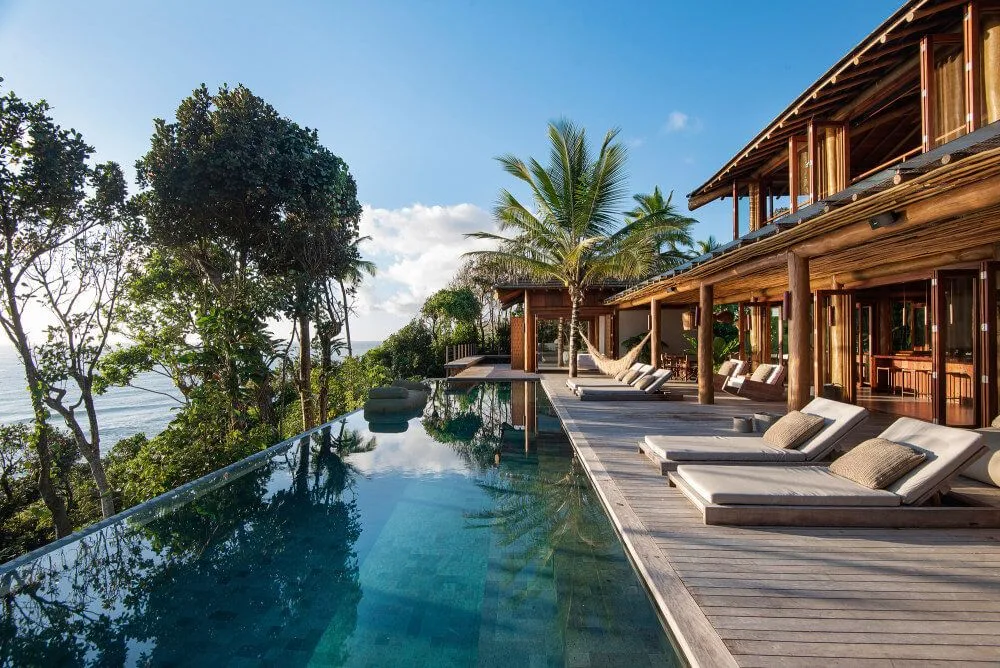
Coordinate cushions, wet use and care
Ask for the proposed frame, finish, moving parts, feet or wheels, cushion construction, upholstery, fastenings and care instructions. Record pool splash, salt, sunscreen, towels, cleaning products, drainage, rain response and overnight storage. Request samples or documents that identify the exact material and construction they cover.
Decide how wet cushions or covers are removed, dried, labelled and returned. Storage capacity and ventilation should be checked against the actual number and size of loose items. If cushions remain on the furniture, request the offered care and wet-weather procedure and match any drying or performance value to the proposed cushion system.
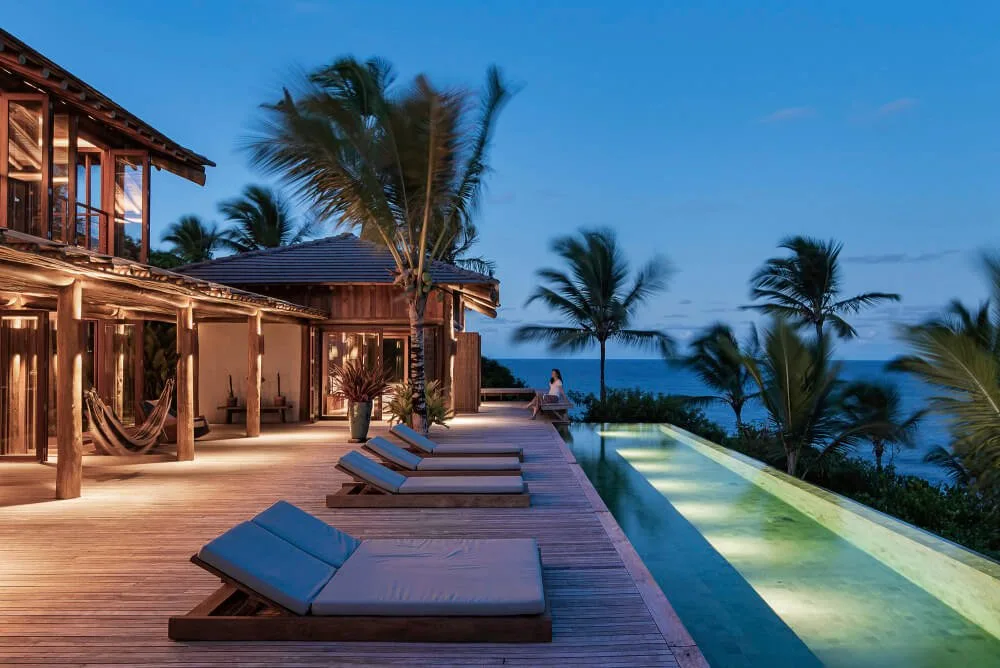
Prepare a lounger or daybed brief
Send the zone plan, pool or terrace edge, required quantity, expected posture and occupancy, available footprint, routes, side tables, shade interfaces, exposure, cleaning and storage routine. Add access dimensions, desired appearance, destination, target date, and sample or document needs. For a daybed, state whether it is intended for one guest, shared use or a defined service concept.
See poolside and beach-club planning for wet-zone operations, outdoor tables for adjacent side tables, outdoor storage furniture for nearby cushion and cover storage, and outdoor fabrics and cushions for the soft-goods system.
Open the project enquiry form with the layout and operating routine so suitable configurations can be reviewed against the site.